
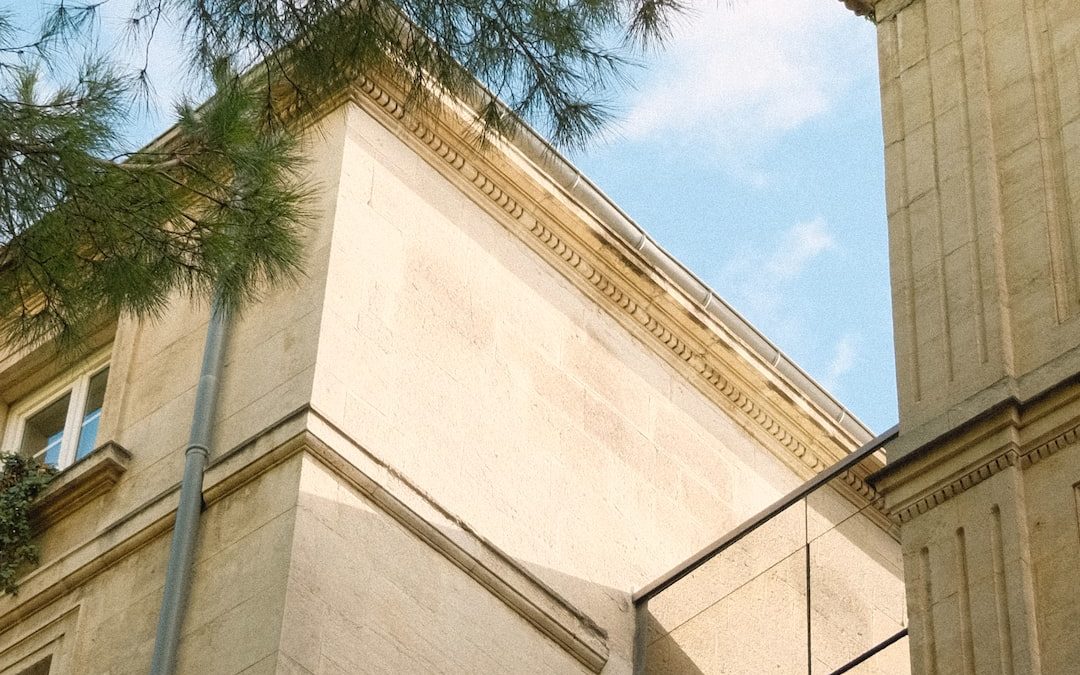
Promoting tourism in Avignon with a modern, attractive website
Avignon is a city of art and culture, with a rich and varied historical heritage. Every year, it attracts thousands of visitors from all over the world who come to admire its many monuments, take part in its festivals and sample the local gastronomy. To promote tourism in Avignon, a modern, attractive web platform can be an effective tool for informing and attracting visitors.
Discover our examples of websites for businesses
The advantages of a website to promote tourism in Avignon
Using a modern and attractive website is one of the best ways to promote tourism in Avignon. A well-designed website can make it easy for travellers to find information about local attractions, accommodation and available activities. In addition, a website can provide a platform for promoting local events and tourism products. Finally, a website can help enhance the visitor experience by providing relevant and up-to-date information.
Attractive presentation and up-to-date information2>
A modern and attractive website is essential for promoting tourism in Avignon. A well-designed website should be easy to navigate and read, and offer up-to-date information on local attractions, accommodation and activities. Visitors should be able to find what they are looking for easily, and the site should be updated regularly to reflect changes in the area. In addition, a well-designed website should be optimised for mobile devices so that visitors can access information wherever they are.
Promoting tourism events and products
A website can also be used to promote local events and tourist products. For example, a website can be used to advertise festivals, concerts and exhibitions. Visitors can also find information about local restaurants and shops, as well as information about tourist services such as guided tours. In addition, a website can be used to promote special offers or promotions to visitors.
Improving the visitor experience
Finally, a website can be used to enhance visitors' experience. For example, a website can be used to provide information on public transport, routes and timetables. In addition, a website may be used to provide information about local historical and cultural sites, museums and monuments. Finally, a website can be used to provide information about local activities and attractions, as well as information about local events and festivals.
Conclusion
A modern, attractive website is an essential tool for promoting tourism in Avignon. A well-designed website can offer visitors up-to-date information on local attractions, accommodation and activities. In addition, a website can be used to promote local events and tourism products. Finally, a website can be used to enhance the visitor experience by providing relevant and up-to-date information. The advantages of a website for estate agents and the associated dangers are also important to consider when creating a website to promote tourism in Avignon.
1. Present a gallery of images and videos of Avignon's main tourist attractions.
2. Highlight the main characteristics of the region, such as its climate, beaches, mountains and national parks.
3. Publish articles on the culture and history of Avignon.
4. Provide practical information to make your trip easier, such as transport timetables and prices for hotels, restaurants and activities.
5. Share information about special offers and discounts available in Avignon.
6. Offer interactive maps of the region and pre-planned itineraries.
7. Organise competitions and special discounts to attract visitors.
8. Create a forum so that visitors can share their experiences and advice with others.
9. Set up links to other relevant sites, such as tourist offices, tour operators and travel agencies.
10. Develop interactive tools integrated into your website to make it easier to find information.
To find out more
If you would like to find out more, we recommend the following resources:
1 "Le tourisme et le web : comment les entreprises touristiques peuvent tirer parti des nouvelles technologies", by Jean-François Tanguy, Editions Eyrolles, 2019.
2. "Tourism and the web: how tourism businesses can take advantage of new technologies", by Jean-Philippe Léger, Editions Dunod, 2018.
3. "Le tourisme et le web : comment les entreprises touristiques peuvent tirer parti des nouvelles technologies", by Pierre-Yves Baudouin, Editions Vuibert, 2017.
4. "Le tourisme et le web : comment les entreprises touristiques peuvent tirer parti des nouvelles technologies", by Jean-Claude Gautier, Editions Ellipses, 2016.
5. "Le tourisme et le web : comment les entreprises touristiques peuvent tirer parti des nouvelles technologies", by Philippe Jourdan, Editions De Boeck, 2015.
You may also be interested in these articles:
 Promoting tourism in Annecy with a modern, attractive website
 Promoting tourism in Toulouse with a modern, attractive website
 Promoting tourism in Lyon with a modern, attractive website
 Promoting tourism in Cannes by creating attractive websites
 Saint-Pierre-et-Miquelon: Using a website to promote tourist activities in Saint-Pierre-et-Miquelon